You know the feeling. The calendar is a mosaic of colored blocks, your to-do list has sub-lists, and your brain hums with the static of a hundred unfinished things. You’re productive, efficient, and chronically exhausted. You’re living at the speed of modern life, but you have this nagging sense that life is somehow… passing you by.
We’ve been sold a dangerous lie: that busyness equals importance, that more is better, that speed is a virtue. We’ve confused activity with accomplishment, and fullness with fulfillment.
But there’s a quiet rebellion brewing. It’s not about moving to a farm (unless you want to). It’s about a fundamental shift in rhythm. It’s called Slow Living. And it has nothing to do with being lazy or unambitious. It’s about being radically intentional.
Slow Living is the conscious choice to prioritize depth over breadth, connection over consumption, and presence over productivity. It’s the art of building a richer life not by adding more, but by savoring what’s already there. It’s about trading the frantic dash for a meaningful stroll. Let’s learn to decelerate.
Part 1: The Diagnosis: Why “Fast Life” is Failing Us
Our culture glorifies “hustle.” But this constant acceleration comes at a cost:
- The Erosion of Attention: We lose our capacity for deep focus, becoming skimmers of life instead of students of it.
- The Diminishment of Joy: When we’re always rushing to the next thing, we can’t fully inhabit the present moment. Joy exists in the lingering.
- The Illusion of Control: Busyness makes us feel in control, but it often masks a fear of stillness—of what we might hear or feel if we stopped.
- The Weakening of Connections: Rushed conversations, distracted meals, and multitasked time with loved ones create a network of shallow ties.
Slow Living asks: What are you rushing for? What is the point of all this efficiency if you’re too frazzled to enjoy the life it’s supposed to be building?
Part 2: The Philosophy: Principles of a Slow Life
This isn’t a checklist. It’s a compass.
- Intentionality Over Autopilot: Doing things because you choose to, not because you’re on a default treadmill. It means looking at your calendar and asking, “Does this align with how I want to live?”
- Presence Over Productivity: Valuing the quality of your attention in a moment more than the quantity of tasks you cross off. Being fully there for your child’s story is a greater achievement than folding laundry while half-listening.
- Enoughness Over More: Actively recognizing when you have enough—enough stuff, enough commitments, enough stimulation. It’s the opposite of scarcity mindset.
- Connection Over Consumption: Investing in relationships and experiences over acquiring more things. A long walk with a friend is slow living. Mindlessly scrolling shopping sites is not.
- Seasonality Over Constant Growth: Honoring natural rhythms—daily, weekly, yearly. Some seasons are for expansion and work; others are for contraction and rest. Both are necessary.
Part 3: The Practice: Weaving Slowness into Your Existing Life
You don’t need to quit your job. Start by injecting small pockets of deliberate slowness.
1. Ritualize the Mundane
Take a routine task and turn it into a sensory, mindful ritual.
- The Morning Coffee: Don’t grab and go. Grind the beans. Smell them. Heat the water. Pour it slowly. Sit for five minutes and just taste it. That’s not making coffee; that’s morning communion.
- The Evening Shutdown: Instead of collapsing, create a 20-minute shutdown ritual. Tidy one room, write down three things that went well, lay out your clothes for tomorrow. This signals to your brain that work is done.
2. Implement “Monotasking”
Single-tasking is the ultimate rebellious act.
- Eat a meal without a screen. Just eat.
- Have a conversation with your phone in another room.
- Read a book without checking your phone every chapter. Your brain will fight you. That’s how you know it’s working.
3. Redesign Your Relationship with Time
- Add Buffer Zones: Schedule 15 minutes of nothing between meetings or appointments. Use it to breathe, jot notes, or simply stare out the window. This prevents the day from becoming a frantic chain reaction.
- Observe a “Slow Hour”: One hour per day, usually in the evening, where you do something analog and non-goal-oriented. Knit, sketch, listen to a full album, water plants, watch the sky change color.
- Practice “JOMO” (Joy Of Missing Out): Decline an invitation without guilt. The joy comes from savoring the quiet evening you’ve gifted yourself.
4. Cultivate “Deep Play”
Play that absorbs you completely, with no purpose other than the joy of doing it. Gardening, baking bread, playing a musical instrument, building model ships, hiking. It’s activity for restoration, not outcome.
Part 4: The Slow Home: Your Sanctuary of Calm
Your environment can either fuel the frenzy or foster slowness.
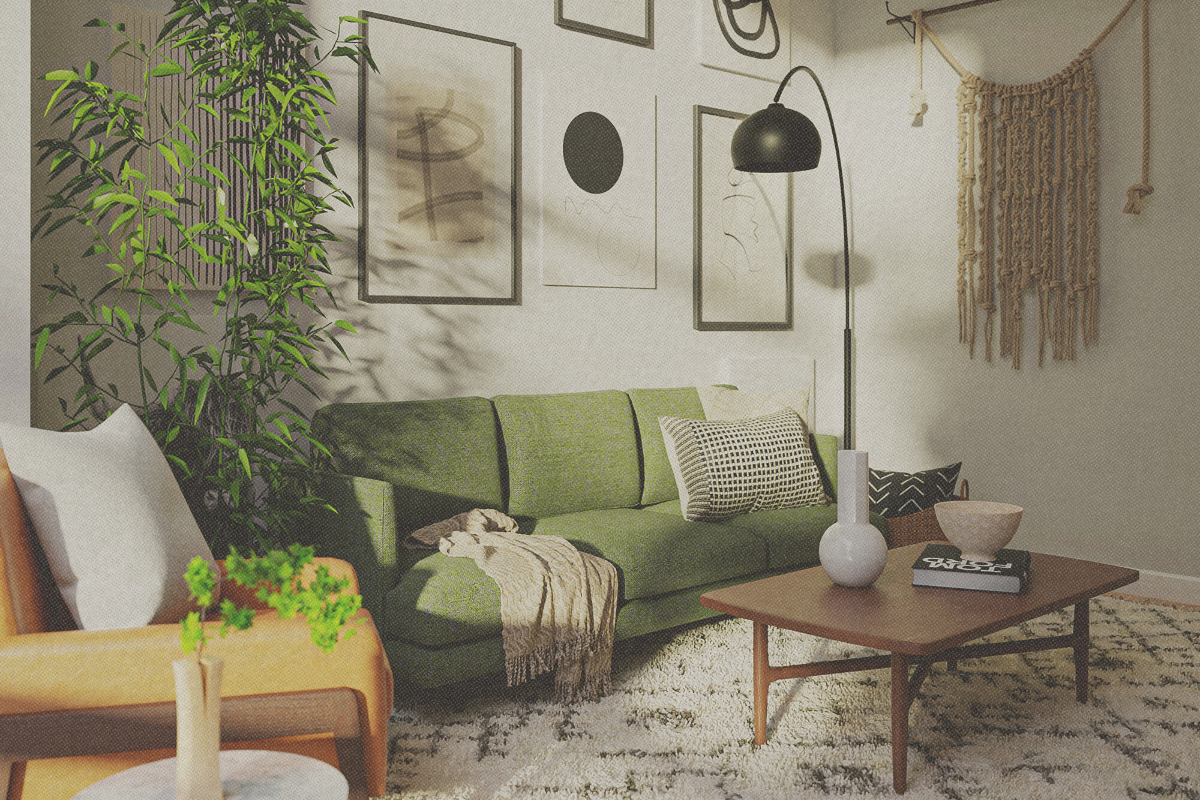
- Declutter Visual Noise: A crowded space creates a crowded mind. Edit your possessions. Clear surfaces. Create visual breathing room.
- Embrace Natural Materials: Wood, stone, linen, cotton. These age, patina, and connect us to the natural world. They have a slower, quieter energy than plastic and chrome.
- Create a “Slow Corner”: One chair by a window with a good reading light and a blanket. A small table for a cup of tea. This is your dedicated zone for doing nothing but being.
- Let Things Age: Don’t rush to replace a worn sofa or faded rug. Patina tells a story of a life lived. Slow living embraces this beautiful decay.
Part 5: Navigating the Obstacles
“I don’t have time!” is the biggest cry. But slow living creates time by eliminating the wasted time of context-switching, anxiety, and recovery from burnout.
- At Work: Batch similar tasks. Protect focus blocks on your calendar. Communicate your boundaries (“I don’t check email after 6 PM”). Do one thing well instead of five things poorly.
- With Family: Institute device-free meals. Have a weekly “family meeting” to connect. Spend one-on-one time with each member doing a slow activity they love.
- In Your Community: Shop at the farmer’s market where you talk to the grower. Walk or bike instead of driving short distances. Support local artisans. Slow living is inherently local.
Conclusion: The Wealth of a Deeply Lived Day
Slow Living isn’t about opting out. It’s about opting in—with both eyes and your whole heart. It’s the decision that a deeply savored, connected, and present ordinary day is the ultimate luxury.
The richest people in the world aren’t those with the most, but those who need the least to feel joy. They find wealth in the steam off a teacup, the completion of a handmade shelf, the uninterrupted silence of a morning, the full attention of a loved one.
Start tomorrow. Brew your coffee slowly. Look someone in the eyes and listen. Do one thing at a time. Decline one invitation. In these small acts of rebellion against the cult of speed, you will find the spacious, rich, deeply human life that has been waiting for you all along.
FAQs: Your Slow Living Questions
Q1: Isn’t this just a privileged lifestyle for people who don’t have to work multiple jobs?
A: This is the most important critique. The core principles of Slow Living—intentionality and presence—are universally accessible, but their expression looks different. For someone working two jobs, slow living might be:
- The 10-minute ritual of making a real meal instead of eating fast food in the car.
- Putting the phone away to be fully present with your kids for the 30 minutes you have before bed.
- Taking the bus and using the commute to daydream or listen to music instead of anxiously scrolling.
It’s about reclaiming agency and attention within the constraints you have, not about having a life free of constraints.
Q2: I have young kids. My life is chaos. How can it be slow?
A: With kids, slow living shifts from “calm and quiet” to “deeply engaged.” It’s about quality of attention, not pace.
- Get on the floor. Follow their slow pace. Watch an ant with them for 10 minutes.
- Batch the chaos. Designate “fast times” (the frantic morning routine) and intentionally create “slow times” (afternoon read-aloud, evening bath).
- Simplify. Fewer toys, fewer activities, fewer choices. A less cluttered schedule is a slower, richer childhood (and parenthood).
Q3: Won’t being “slow” make me fall behind at work or miss opportunities?
A: Counterintuitively, slow is often more effective. Deep focus (monotasking) produces higher-quality work faster than distracted multitasking. Setting boundaries prevents burnout, making you more resilient and creative long-term. You may say “no” to more things, but you’ll say “hell yes” to the right things and execute them brilliantly. It’s strategic slowness.
Q4: How do I deal with the guilt of not being “productive”?
A: You must redefine “productive.” Is scrolling news productive? Is worrying productive? Is rushing through a meal productive? True productivity is energy management for a sustainable, meaningful life. Rest, connection, and play are productive because they restore the human being who does the work. Reframe downtime as “system maintenance” for your most important asset: you.
Q5: What’s the first, smallest step I can take today?
A: For the next week, eat one meal a day without any screens. Just you and your food (and maybe company). Notice the taste, the texture, your own thoughts. This tiny act of mono-tasked presence is a crack in the dam of constant distraction. Through that crack, a slower, richer awareness will begin to flow.