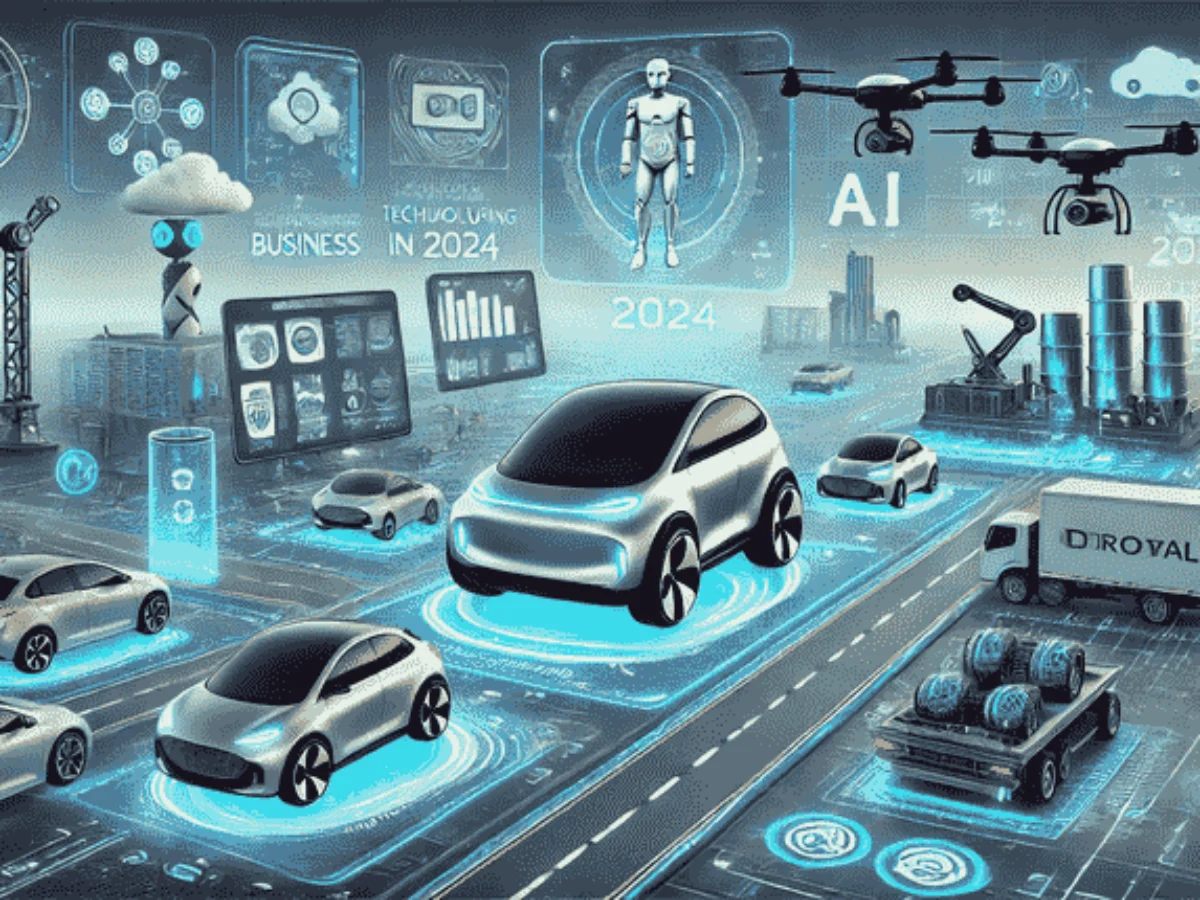
Cars today are nothing like the machines we grew up with. They’re no longer just metal boxes with engines — they’re rolling computers, safety guardians, fuel-saving machines, and lifestyle statements all wrapped into one. Modern vehicles are smarter, faster, and more efficient than ever, and the pace of innovation feels like it’s accelerating every single year.
From AI-powered driving assistance to engines that squeeze every drop of energy for maximum performance, the automotive industry is evolving rapidly. In this article, we’ll break down how modern cars are transforming, why it matters to everyday drivers, and what these advancements mean for the future of mobility.
The Shift From Mechanical to Intelligent Machines
Cars as Computers on Wheels
Modern cars now contain:
- Dozens of sensors
- Advanced processors
- Software-driven systems
Everything from braking to steering relies on data analysis happening in milliseconds.
Why Intelligence Matters
- Improves driving safety
- Enhances fuel efficiency
- Reduces driver fatigue
- Creates personalized driving experiences
Cars don’t just respond anymore — they anticipate.
Smarter Engines and Powertrains
Engine Optimization Through Technology
Modern engines use:
- Turbocharging
- Direct fuel injection
- Variable valve timing
These technologies allow smaller engines to produce more power while consuming less fuel.
Hybrid Systems Explained
Hybrid cars combine:
- Internal combustion engines
- Electric motors
This results in:
- Lower emissions
- Better fuel economy
- Smoother acceleration
Electric Vehicles and Intelligent Efficiency
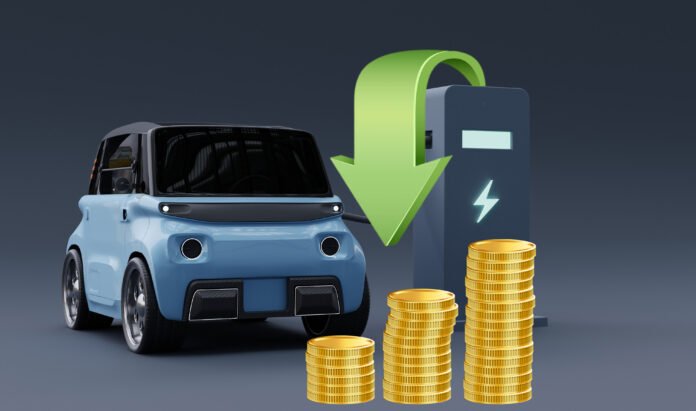
How EVs Redefine Efficiency
Electric cars convert more energy into motion than gas engines. Less heat loss means:
- Higher efficiency
- Lower operating costs
- Fewer mechanical failures
Smart Energy Management
EVs intelligently manage:
- Battery usage
- Regenerative braking
- Power distribution
This maximizes range without sacrificing performance.
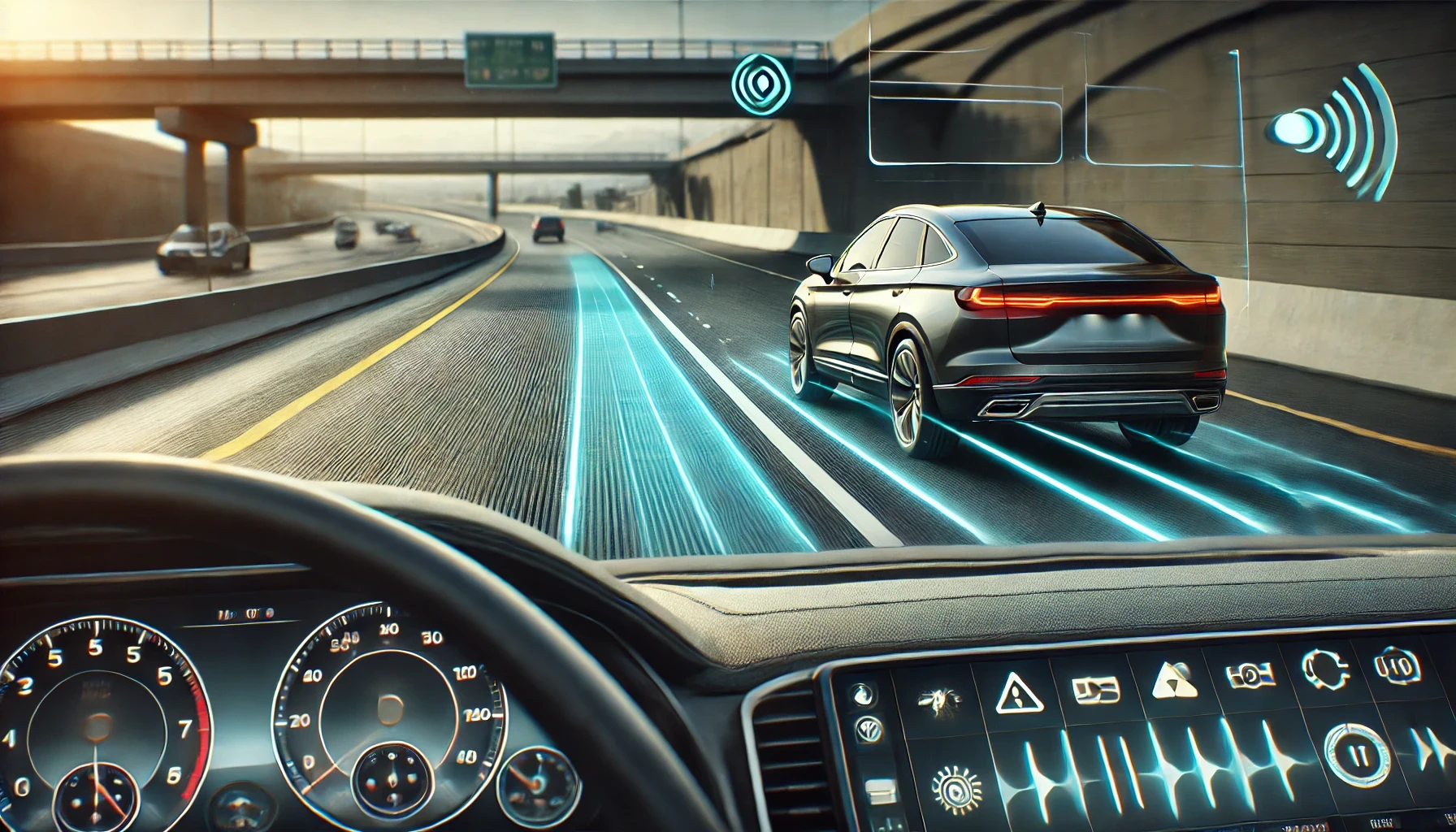
Advanced Driver Assistance Systems
What Are ADAS Features?
Modern vehicles include:
- Adaptive cruise control
- Lane-keeping assistance
- Automatic emergency braking
- Blind-spot monitoring
Why They Matter
These systems:
- Reduce human error
- Prevent accidents
- Increase confidence behind the wheel
Think of them as a co-pilot that never gets tired.
Artificial Intelligence in Modern Cars
AI-Powered Driving Decisions
AI analyzes:
- Road conditions
- Traffic patterns
- Driver behavior
It helps cars react faster than humans ever could.
Learning Driver Preferences
Cars now adapt to:
- Seating positions
- Climate preferences
- Driving habits
Your car literally learns how you like to drive.
Speed Without Sacrificing Efficiency
Lighter Materials, Faster Performance
Manufacturers use:
- Aluminum
- Carbon fiber
- High-strength steel
This reduces weight, improving both speed and fuel economy.
Aerodynamics and Design
Sleek designs reduce drag, allowing cars to:
- Accelerate faster
- Consume less fuel
- Remain stable at high speeds
Transmission Innovations
Smarter Gearboxes
Modern transmissions include:
- Dual-clutch systems
- Continuously variable transmissions
- Intelligent automatic shifting
These ensure:
- Smooth acceleration
- Optimal fuel usage
- Reduced engine strain
Fuel Efficiency Beyond the Engine
Eco Driving Modes
Most modern cars feature:
- Eco mode
- Adaptive throttle response
- Smart climate control
These modes optimize efficiency without noticeable performance loss.
Start-Stop Technology
Engines automatically shut off at stops, saving fuel and reducing emissions in traffic-heavy conditions.
Connectivity and Smart Features
Connected Car Technology
Cars now connect to:
- Smartphones
- Cloud services
- Navigation systems
This enables:
- Real-time traffic updates
- Predictive maintenance alerts
- Over-the-air software updates
Infotainment Systems
Modern dashboards function like tablets, offering seamless control without distracting drivers.
Safety Meets Intelligence
Crash Prevention Over Crash Protection
Instead of just surviving accidents, modern cars aim to avoid them entirely through predictive systems.
Structural Efficiency
Smart design improves:
- Impact absorption
- Passenger safety
- Vehicle stability
Efficiency now includes protecting lives.
Environmental Impact of Modern Cars
Lower Emissions
- Cleaner combustion
- Hybrid and electric options
- Strict emission standards
Cars today are significantly cleaner than those from even a decade ago.
Sustainable Manufacturing
Manufacturers now use:
- Recycled materials
- Energy-efficient production
- Sustainable supply chains
Driving Experience Redefined
Comfort and Control
Modern cars offer:
- Adaptive suspension
- Noise reduction technology
- Personalized driving modes
Efficiency now includes comfort.
Reduced Driver Stress
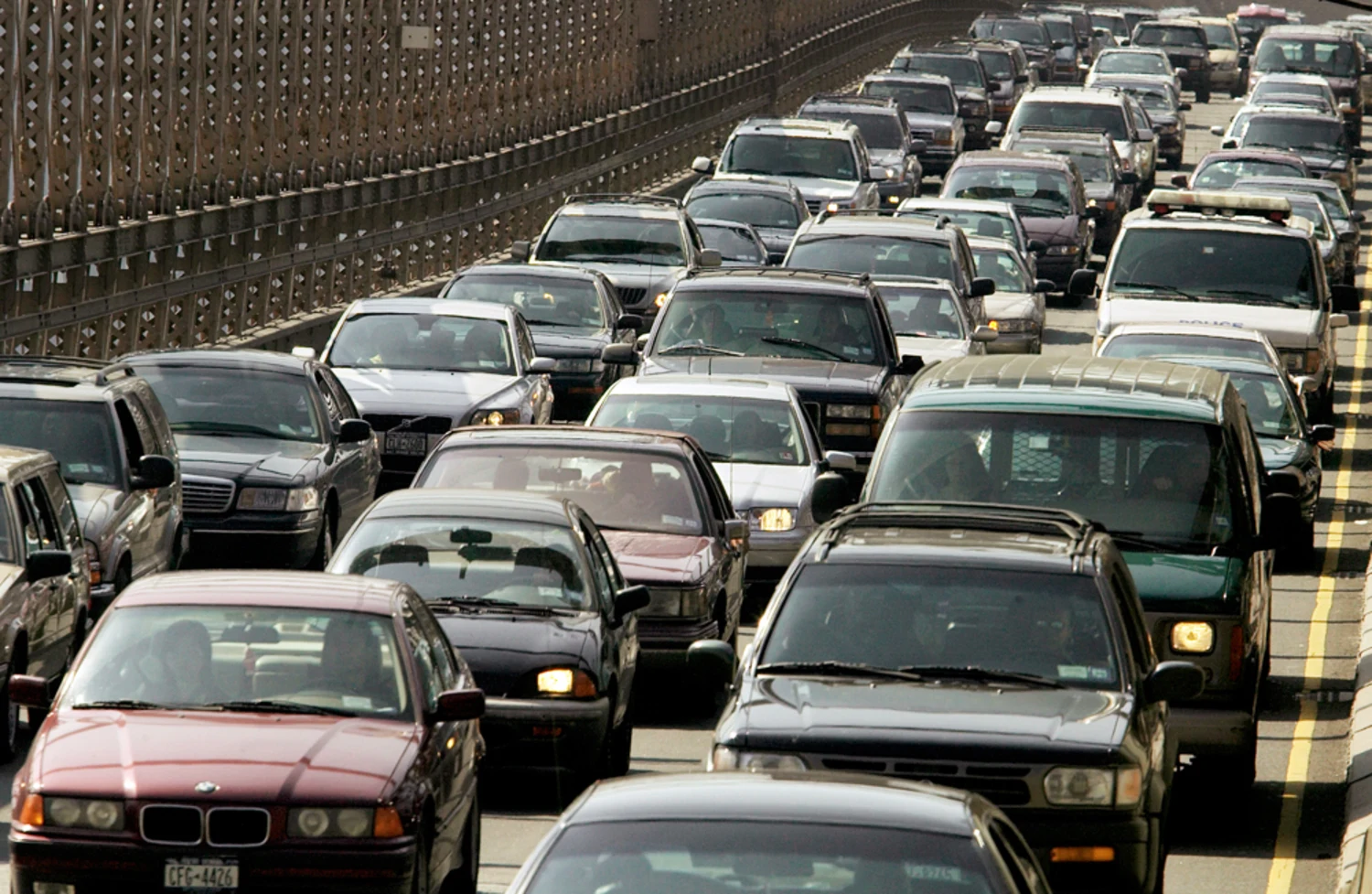
Automation reduces fatigue during long drives and traffic jams, making driving more enjoyable.
What This Means for Drivers
- Lower fuel and maintenance costs
- Safer roads
- Better performance
- Smarter ownership experience
Cars are no longer just transportation — they’re intelligent partners.
The Road Ahead
Future cars will be:
- More autonomous
- Fully electric
- Even more connected
Efficiency will extend beyond fuel to time, safety, and sustainability.
Conclusion
Modern cars have evolved into intelligent machines that balance speed, efficiency, safety, and comfort. Through smart engines, AI-powered systems, lightweight materials, and advanced connectivity, vehicles today deliver more value than ever before. As technology continues to advance, the gap between performance and efficiency will continue to shrink — giving drivers the best of both worlds. The future of driving isn’t just faster or greener; it’s smarter.
FAQs
1. Are modern cars really more efficient than older models?
Yes, due to better engines, lighter materials, and smart systems.
2. Do smart features increase maintenance costs?
Not necessarily — predictive diagnostics often reduce unexpected repairs.
3. Are electric cars faster than traditional cars?
Many EVs offer instant torque, making them quicker off the line.
4. Is AI in cars reliable?
Yes, AI systems are extensively tested and continuously improved.
5. Will future cars need less human input?
Yes, automation is increasing, though drivers will still remain in control for now.