Electric Vehicles—commonly known as EVs—are no longer just shiny concepts shown at auto expos. They’re on our roads, in our neighborhoods, and increasingly, in our driveways. But the big question still lingers in everyone’s mind: Are electric vehicles really the future of transportation, or are they just another passing trend?
Let’s talk honestly. No hype. No corporate buzzwords. Just real talk about EVs—where they came from, why they’re booming, what’s holding them back, and whether they truly deserve the crown as the future of mobility.
So grab a coffee ☕ and let’s dive in.
Understanding Electric Vehicles (EVs)
What Exactly Is an Electric Vehicle?
An electric vehicle is powered either partially or fully by electricity instead of gasoline or diesel. Instead of an internal combustion engine, EVs use electric motors and rechargeable batteries.
Think of it this way:
Traditional cars burn fuel to create power.
Electric cars store power and release it smoothly—like using a power bank instead of lighting a fire.
Types of Electric Vehicles
Battery Electric Vehicles (BEVs)
These run entirely on electricity. No fuel tank. No exhaust pipe. Zero tailpipe emissions.
Plug-in Hybrid Electric Vehicles (PHEVs)
They combine an electric motor with a gasoline engine. You can drive short distances on electricity and switch to fuel when needed.
Hybrid Electric Vehicles (HEVs)
These don’t plug in. They use fuel but also recover energy through braking to improve efficiency.
Why Electric Vehicles Are Gaining Massive Popularity
Rising Fuel Costs
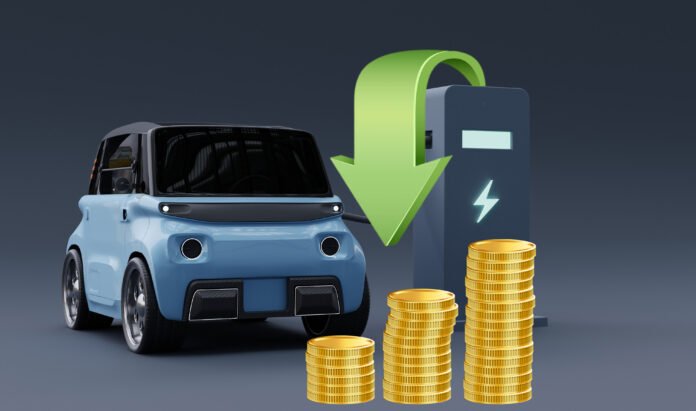
Let’s be honest—fuel prices hurt. EVs cost significantly less to “refuel” compared to petrol or diesel cars.
Charging an EV often costs less than a cup of coffee per day.
Environmental Awareness
People are more conscious about climate change than ever before. EVs offer a cleaner alternative by reducing air pollution and greenhouse gas emissions.
Driving electric feels like breathing cleaner air—literally.
Government Incentives
Many governments offer tax rebates, subsidies, free charging, and reduced registration fees for EV owners.
It’s like getting rewarded for making a responsible choice.
Environmental Impact of Electric Vehicles
Reduction in Carbon Emissions
EVs produce zero tailpipe emissions. That alone makes cities cleaner and quieter.
While electricity production still creates emissions in some regions, overall pollution is significantly lower compared to fuel-powered cars.
Noise Pollution Reduction
Electric vehicles are incredibly quiet. Less noise means less stress, especially in urban areas.
Cities sound more like neighborhoods—and less like race tracks.
Cost Comparison: EVs vs Fuel Vehicles
Upfront Cost
Yes, EVs can be more expensive initially. Batteries aren’t cheap—yet.
But that gap is shrinking every year.
Running and Maintenance Costs
Here’s where EVs shine:
- No oil changes
- Fewer moving parts
- Less wear and tear
Maintenance costs are dramatically lower over time.
Total Cost of Ownership
When you factor in fuel savings, incentives, and maintenance, EVs often become cheaper in the long run.
It’s like buying a higher-quality product that saves money over time.
Battery Technology: The Heart of EVs
How EV Batteries Work
Most EVs use lithium-ion batteries—similar to smartphones but far more advanced.
They store energy chemically and convert it into electrical power when needed.
Battery Life and Durability
Modern EV batteries can last 8–15 years. Many manufacturers offer long warranties to build trust.
Battery degradation is real—but far less dramatic than people fear.
Recycling and Second Life
Old EV batteries can be reused for energy storage before being recycled.
So no, they don’t just end up as toxic waste.
Charging Infrastructure: The Biggest Concern
Home Charging Convenience
Charging at home is one of the biggest advantages of EVs. Plug in at night, wake up to a full “tank.”
No fuel station visits. Ever.
Public Charging Networks
Fast-charging stations are expanding rapidly worldwide.
What once felt rare is quickly becoming normal.
Charging Time vs Fueling Time
Yes, charging takes longer than filling fuel—but fast chargers can give 80% charge in under 30 minutes.
That’s just enough time for a coffee break ☕.
Range Anxiety: Myth or Reality?
How Far Can EVs Go Today?
Modern EVs easily offer 300–500 km per charge.
For daily driving, that’s more than enough for most people.
Smart Route Planning
Navigation systems now show charging stations and optimize routes automatically.
Running out of charge is becoming as rare as running out of fuel.
Performance and Driving Experience
Instant Torque
EVs deliver power instantly. Acceleration is smooth, quick, and addictive.
Once you drive electric, petrol feels sluggish.
Smooth and Silent Ride
No engine noise. No vibrations. Just effortless movement.
Driving an EV feels like gliding on air.
Safety and Technology in EVs
Advanced Safety Features
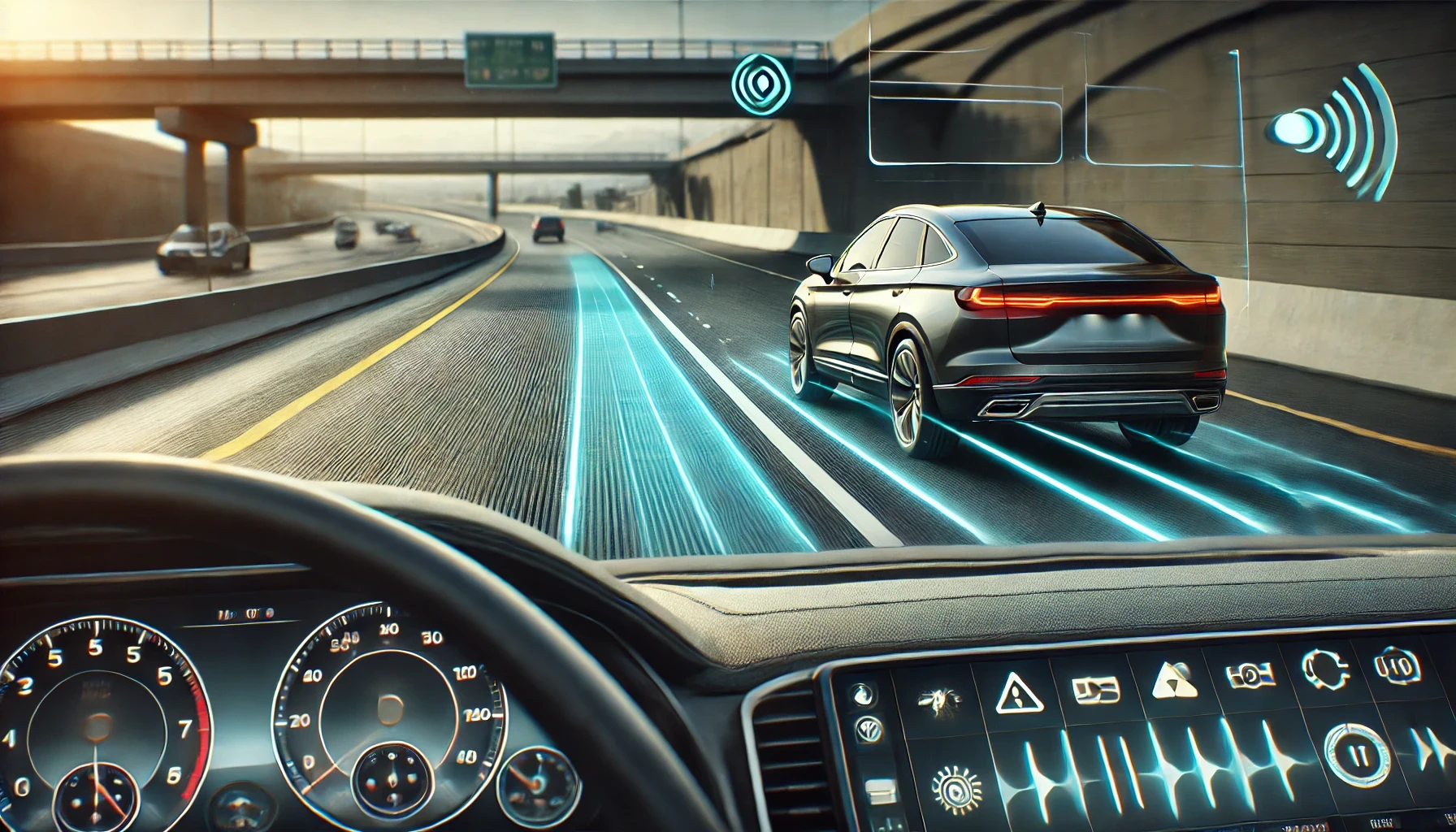
EVs often come packed with modern safety tech—ADAS, collision avoidance, lane assist, and more.
Lower Center of Gravity
Batteries are placed low, improving stability and reducing rollover risks.
EVs are not just clean—they’re smart and safe.
Impact on the Automobile Industry
Manufacturers Going Electric
Almost every major automaker is shifting toward EVs.
Some have even announced full electrification timelines.
Job Market Transformation
While some traditional roles may decline, new jobs in battery tech, software, and renewable energy are rising.
Change doesn’t destroy—it reshapes.
Electric Vehicles and Developing Countries
Infrastructure Challenges
Charging networks and power supply remain hurdles in some regions.
But innovation and investment are closing the gap quickly.
Affordable EV Models
Budget EVs are entering the market, making electric mobility accessible to more people.
EVs aren’t just for the rich anymore.
Common Myths About Electric Vehicles
“EVs Are Slow”
False. Many EVs outperform sports cars.
“EVs Are Not Safe”
Also false. EVs meet or exceed safety standards.
“Batteries Die Quickly”
Modern batteries are built to last.
Future Innovations in Electric Vehicles
Solid-State Batteries
They promise faster charging, longer range, and higher safety.
This could be a game-changer.
Wireless Charging Roads
Imagine roads that charge your car as you drive.
Science fiction? Not anymore.
Are Electric Vehicles Truly the Future?
Global Trends Say Yes
Sales numbers, investments, and policies all point in one direction—electric.
Consumer Mindset Is Changing
People want cleaner, cheaper, smarter transportation.
EVs check all those boxes.
Conclusion: The Road Ahead Is Electric
Electric vehicles aren’t perfect—but neither were gasoline cars when they first appeared. What matters is direction, and the direction is clear. EVs represent a cleaner, smarter, and more sustainable future for transportation.
The shift won’t happen overnight, but it will happen. And when it does, we’ll look back and wonder how we ever lived with smoke, noise, and fuel dependency.
The future isn’t coming—it’s already plugged in.
FAQs
1. Are electric vehicles suitable for long-distance travel?
Yes. With improved range and fast-charging networks, EVs are increasingly practical for long trips.
2. How long does it take to charge an EV?
Home charging takes several hours, while fast chargers can reach 80% in 20–30 minutes.
3. Do EV batteries need frequent replacement?
No. Most batteries last 8–15 years and come with long warranties.
4. Are electric vehicles more expensive than petrol cars?
Upfront cost may be higher, but long-term ownership is often cheaper.
5. Will EVs replace fuel cars completely?
Eventually, yes—but the transition will be gradual.