Let’s be honest—cars are faster, smarter, and more comfortable than ever. But none of that matters if they aren’t safe. In today’s world, safety isn’t a luxury feature anymore; it’s a necessity. Modern cars come packed with advanced safety technology designed not just to protect you after an accident, but to help you avoid accidents altogether.
So what safety features should every modern car have? Which ones are truly essential, and which are just fancy add-ons? Let’s break it down in a simple, practical, and human way.
Why Vehicle Safety Matters More Than Ever
Increasing Traffic and Road Risks
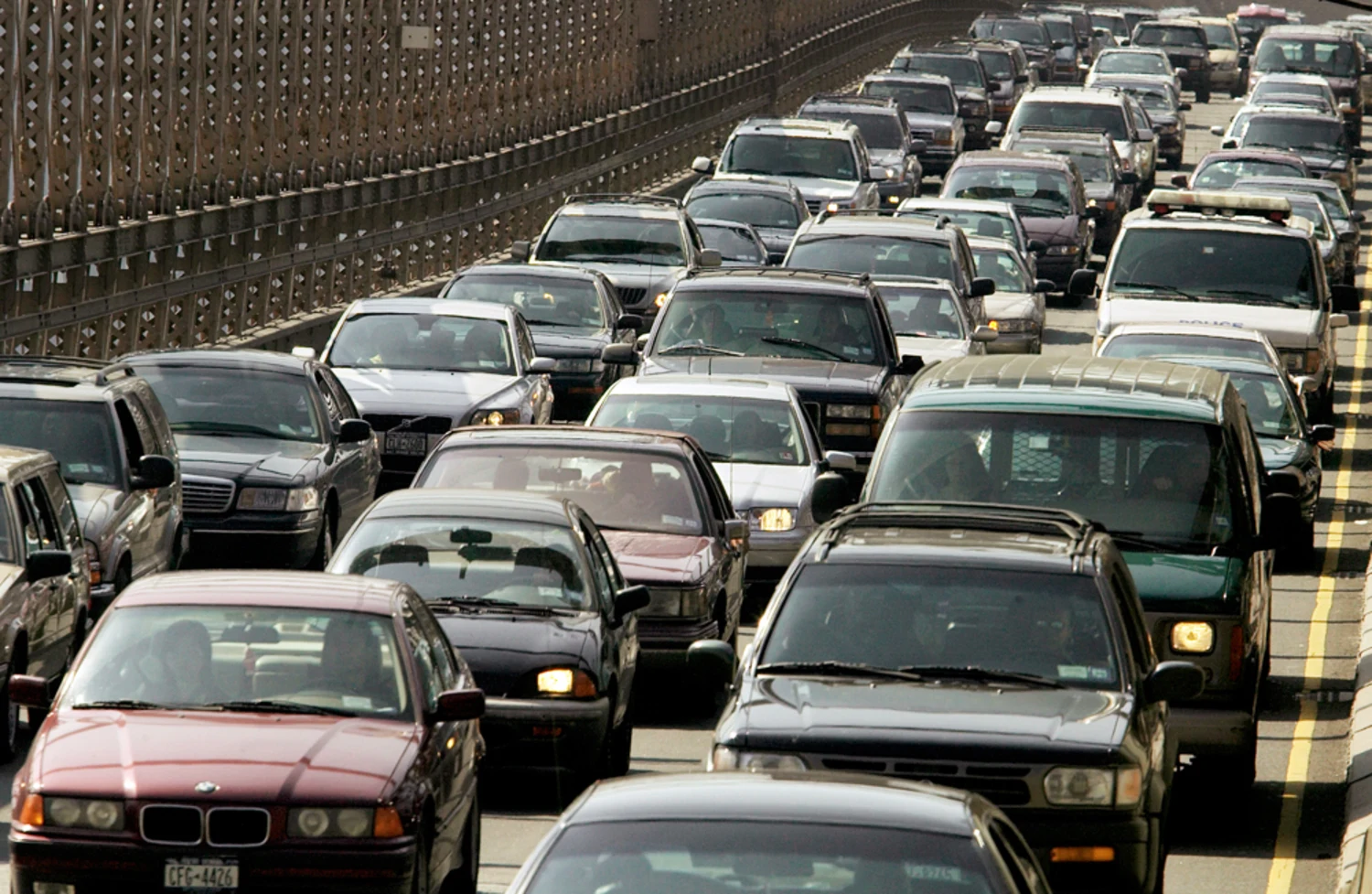
More vehicles on the road mean more chances of accidents. Even the best drivers can’t control others’ mistakes.
Safety features act like an extra set of eyes and reflexes.
Technology as a Safety Partner
Modern safety systems don’t replace drivers—they assist them. Think of them as co-pilots that never get tired.
Understanding Car Safety Systems
Active vs Passive Safety Features
Active Safety Features
These help prevent accidents before they happen.
Passive Safety Features
These reduce injury if an accident occurs.
A truly safe car balances both.
Essential Passive Safety Features
Seat Belts
Seat belts are the most basic—and most effective—safety feature.
They keep occupants from being thrown forward during collisions.
Airbags
Types of Airbags
- Front airbags
- Side airbags
- Curtain airbags
Airbags act like cushions, absorbing impact energy and protecting vital areas.
Strong Vehicle Structure and Crumple Zones
High-Strength Steel Frames
Modern cars use reinforced steel to maintain cabin integrity during crashes.
Crumple Zones
These areas absorb impact energy by deforming in a controlled way.
It’s like sacrificing the outer shell to protect what’s inside.
Anti-lock Braking System (ABS)
What ABS Does
ABS prevents wheels from locking during hard braking, allowing the driver to maintain steering control.
Why ABS Is Critical
Without ABS, sudden braking can cause skidding and loss of control—especially on wet roads.
Electronic Stability Control (ESC)
How ESC Works
ESC detects loss of traction and applies brakes to individual wheels to stabilize the car.
When ESC Saves Lives
It’s especially helpful during sharp turns, slippery roads, or sudden maneuvers.
ESC is like an invisible hand keeping your car steady.
Traction Control System (TCS)
Purpose of Traction Control
TCS prevents wheel spin during acceleration.
Real-World Benefits
It improves control on wet, icy, or uneven surfaces.
Advanced Driver Assistance Systems (ADAS)
What Is ADAS?
ADAS uses cameras, sensors, and radar to assist drivers.
Think of it as technology watching the road with you.
Automatic Emergency Braking (AEB)
How AEB Works
The system detects potential collisions and applies brakes automatically if the driver doesn’t react.
Why AEB Is a Game-Changer
It significantly reduces rear-end collisions, especially in city traffic.
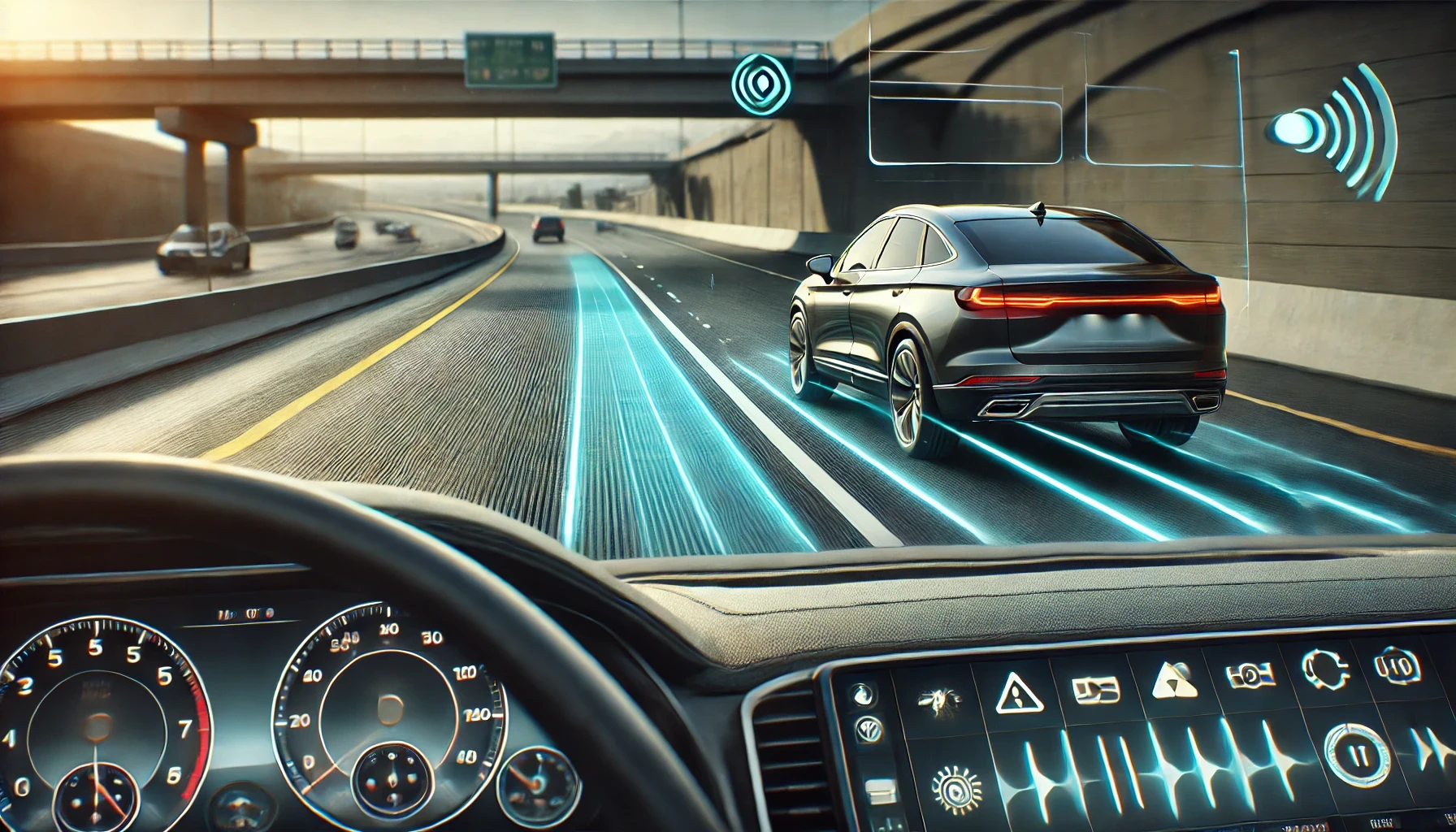
Lane Departure Warning and Lane Keep Assist
Lane Departure Warning
Alerts the driver if the car drifts out of its lane.
Lane Keep Assist
Gently steers the car back into the lane.
Perfect for long drives and reducing fatigue-related accidents.
Blind Spot Monitoring
What It Does
Detects vehicles in blind spots and alerts the driver.
Why It Matters
Many accidents happen during lane changes. This feature reduces that risk.
Adaptive Cruise Control
Smarter Cruise Control
Maintains a safe distance from the vehicle ahead by automatically adjusting speed.
Ideal for Highway Driving
It reduces stress and driver fatigue on long journeys.
Rearview Camera and Parking Sensors
Rearview Camera
Provides a clear view behind the car when reversing.
Parking Sensors
Alert drivers about obstacles during parking.
These features make parking safer—especially in tight spaces.
360-Degree Camera System
Bird’s-Eye View
Combines multiple camera feeds to give a full view around the vehicle.
Why It’s Useful
Perfect for crowded areas, off-roading, and precise maneuvering.
Tire Pressure Monitoring System (TPMS)
What TPMS Does
Monitors tire pressure and alerts the driver if it drops.
Why Tire Pressure Matters
Under-inflated tires affect braking, handling, and fuel efficiency.
Head-Up Display (HUD)
Keeping Eyes on the Road
Displays key information on the windshield.
Safety Advantage
Reduces the need to look away from the road.
Night Vision and Adaptive Headlights
Adaptive Headlights
Adjust beam direction based on steering and speed.
Night Vision Systems
Detect pedestrians or animals in low visibility conditions.
These features improve nighttime driving safety.
Child Safety Features
ISOFIX Child Seat Mounts
Securely attach child seats to the vehicle.
Child Safety Locks
Prevent doors and windows from being opened accidentally.
Safety should protect all passengers—especially the smallest ones.
Why Safety Ratings Matter
Crash Test Ratings
Organizations like NCAP test vehicles for safety performance.
Choosing a Safe Car
Always check safety ratings before buying a car.
Numbers don’t lie.
Common Safety Feature Myths
“Safety Features Make Drivers Lazy”
False. They assist—not replace—driver responsibility.
“Only Expensive Cars Are Safe”
Also false. Many budget cars now offer excellent safety features.
Future of Car Safety Technology
AI and Predictive Safety
Cars will soon predict accidents before they happen.
Vehicle-to-Vehicle Communication
Cars will communicate to avoid collisions.
Safety is becoming proactive, not reactive.
Conclusion: Safety Is the Smartest Feature You Can Buy
Speed, design, and comfort may attract you—but safety protects you. Modern safety features are no longer optional; they are essential tools that save lives every day. Whether you’re buying a new car or evaluating your current one, safety should always come first.
Because at the end of the day, the most important destination is arriving safely.
FAQs
1. What is the most important car safety feature?
Seat belts remain the most critical safety feature.
2. Is ADAS worth it?
Yes. ADAS significantly reduces accident risks.
3. Are safety features standard in modern cars?
Many essential features are now standard, but advanced ones vary by model.
4. Do safety features increase car cost?
Slightly, but the long-term benefits outweigh the cost.
5. Can safety features prevent all accidents?
No, but they greatly reduce the chances and severity of accidents.