Automobiles didn’t just appear one day and change the world overnight. They evolved—slowly, noisily, sometimes clumsily—but always with one goal in mind: making human movement faster, easier, and better. From wooden wheels pulled by horses to silent electric cars that almost feel alive, the journey of the automobile is nothing short of extraordinary.
So buckle up. We’re about to take a long, fascinating drive through time—one that explains how we got here, why it matters, and where we’re heading next.
The Birth of Transportation Before Automobiles
Life Before Cars
Before automobiles, transportation was simple—and exhausting. People walked, rode animals, or traveled in carriages. Long-distance travel took days or even months. Trade was slow, cities were smaller, and the idea of personal mobility was limited.
Movement back then was like sending a letter by pigeon—effective, but painfully slow.
The Role of the Horse
Horses were the original engines. They powered economies, wars, and communication. But they required food, rest, and care—and they couldn’t go very fast or very far without breaking down.
Humanity needed something stronger, faster, and more reliable.
The Dawn of the Automobile Era
Invention of the First Automobile
In 1885, Karl Benz introduced the first gasoline-powered automobile. It wasn’t pretty, fast, or practical—but it worked. And that was enough to spark a revolution.
This invention marked the moment humans stopped relying on animals for daily transportation.
Early Challenges
Early cars were expensive, unreliable, and difficult to operate. Roads weren’t designed for them, fuel stations didn’t exist, and repairs were complicated.
Driving one felt like trying to tame a wild animal—but innovation pushed forward anyway.
The Rise of Internal Combustion Engines
How Internal Combustion Changed Everything
The internal combustion engine became the heart of the automobile. It offered more power, longer range, and better control compared to steam engines.
This technology transformed cars from experiments into practical machines.
Mass Production and Henry Ford
Henry Ford’s assembly line changed the game forever. Cars became affordable for ordinary people. The automobile shifted from luxury to necessity.
It was like turning a handcrafted suit into ready-to-wear clothing—suddenly, everyone could have one.
Automobiles Become a Lifestyle
Cars as Status Symbols
As cars evolved, they became more than transportation. They became symbols of success, freedom, and personality.
From sleek sedans to roaring muscle cars, people chose vehicles that reflected who they were—or who they wanted to be.
Cultural Impact of Cars
Movies, music, and pop culture embraced automobiles. Road trips became romanticized. Racing became a sport. Car clubs formed communities.
Cars didn’t just move people—they moved emotions.
Technological Advancements in Automobiles
Comfort and Convenience Features
Over time, cars gained power steering, air conditioning, automatic transmissions, and infotainment systems.
Driving became less about survival and more about enjoyment.
Safety Innovations
Seat belts, airbags, crumple zones, and ABS systems dramatically reduced fatalities. Safety transformed automobiles from risky machines into reliable companions.
Cars started protecting humans instead of threatening them.
The Environmental Wake-Up Call
Pollution and Fuel Consumption
As car ownership increased, so did pollution. Cities filled with smog. Fuel consumption skyrocketed. Climate change concerns grew louder.
The convenience of cars came at a cost—and the planet started paying the price.
The Need for Sustainable Alternatives
Governments, scientists, and manufacturers realized change was unavoidable. Cleaner fuels and alternative energy sources became priorities.
This marked the beginning of a new chapter.
The Introduction of Hybrid Vehicles
What Are Hybrid Cars?
Hybrid vehicles combine gasoline engines with electric motors. They reduce fuel consumption and emissions while maintaining performance.
Think of them as a bridge between the old world and the new.
Why Hybrids Gained Popularity
Hybrids offered better mileage without charging anxiety. They helped drivers transition toward cleaner mobility without drastic lifestyle changes.
The Rise of Electric Vehicles (EVs)
How Electric Cars Work
Electric vehicles run on batteries instead of fuel. They use electric motors, produce zero tailpipe emissions, and operate almost silently.
Driving an EV feels like gliding rather than driving.
Major Advantages of Electric Vehicles
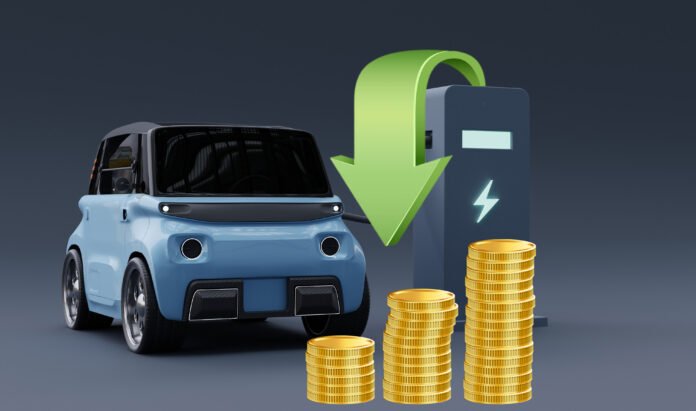
- Lower running costs
- Minimal maintenance
- Environmentally friendly
- Instant torque and smooth acceleration
EVs flipped the traditional driving experience on its head.
Challenges Faced by Electric Vehicles
Battery Limitations
Early EVs struggled with range anxiety. Batteries were expensive and took long to charge.
But technology doesn’t stand still—and neither did innovation.
Charging Infrastructure
Lack of charging stations slowed adoption. However, fast chargers and home charging solutions are rapidly expanding.
What once felt inconvenient is becoming routine.
Technological Breakthroughs in EVs
Battery Technology Advancements
Lithium-ion batteries now last longer, charge faster, and cost less. Solid-state batteries promise even better performance.
Batteries are evolving like smartphones—faster every year.
Smart Software and AI Integration
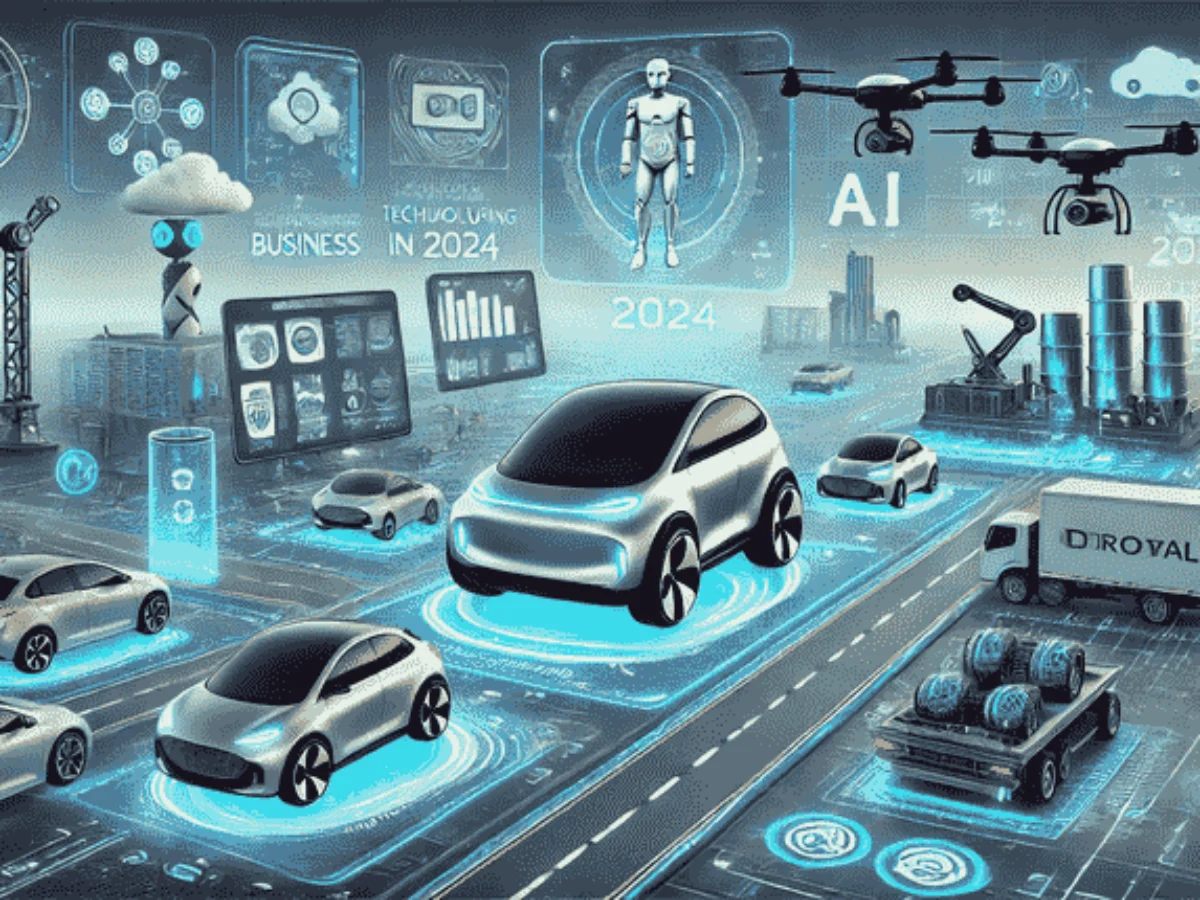
Modern cars come with AI-driven systems, predictive maintenance, and over-the-air updates.
Cars are no longer just machines—they’re computers on wheels.
Autonomous Driving: The Next Frontier
What Is Self-Driving Technology?
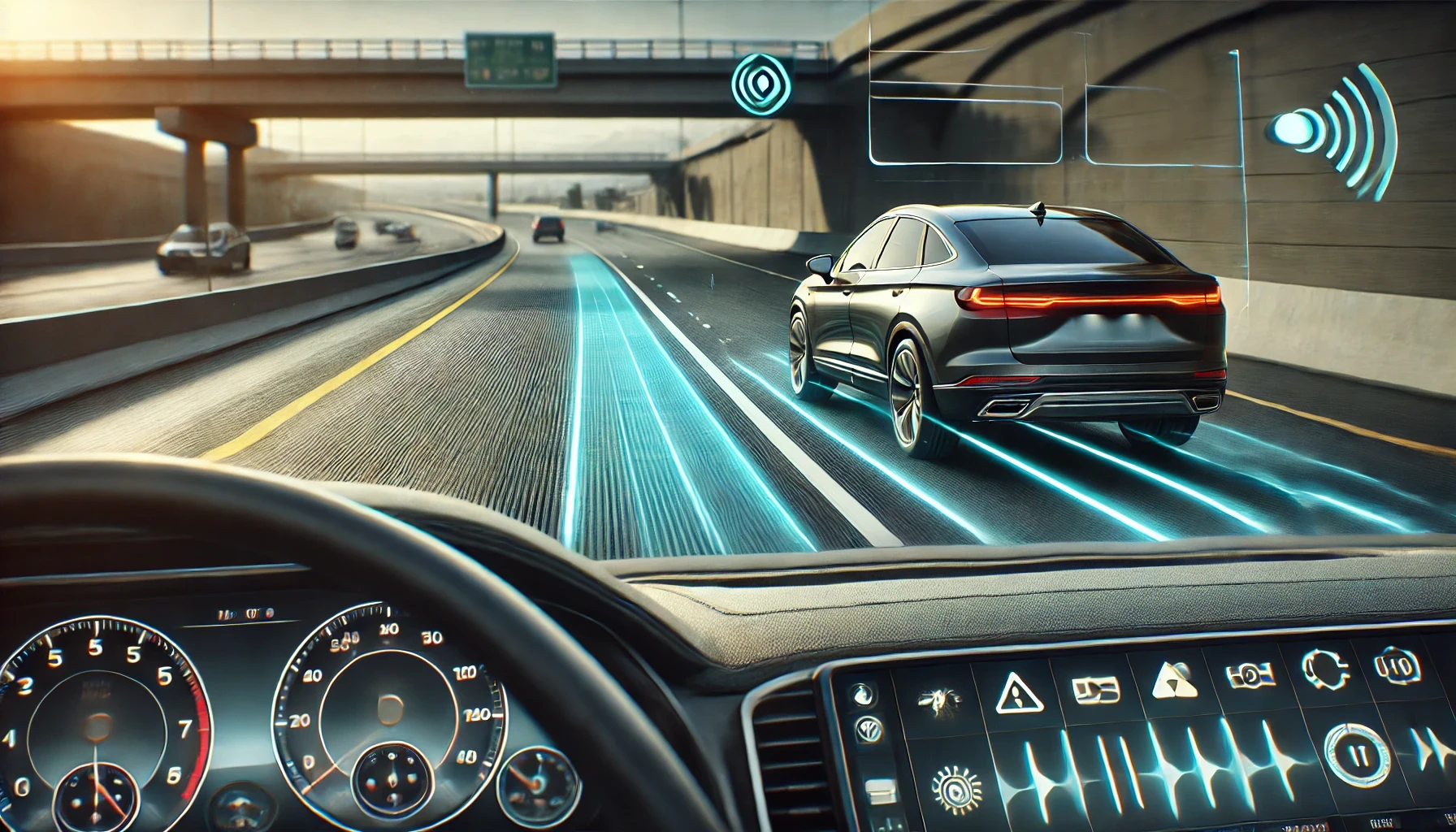
Autonomous vehicles use sensors, cameras, and AI to navigate without human input.
It’s like giving your car a brain—and teaching it how to drive.
Benefits of Autonomous Vehicles
- Reduced accidents
- Improved traffic flow
- Greater accessibility for disabled individuals
The future of driving may not involve driving at all.
The Role of Governments and Policies
Emission Regulations
Stricter emission laws are pushing manufacturers toward cleaner technologies.
Governments are steering the industry toward sustainability.
Incentives for Electric Vehicles
Tax benefits, subsidies, and free charging encourage EV adoption worldwide.
Policy is accelerating progress.
How Automobiles Shape Modern Society
Economic Impact
The automobile industry employs millions globally and fuels innovation across sectors.
It’s an economic engine as powerful as the vehicles it produces.
Urban Development
Cities grew outward, suburbs formed, and infrastructure evolved around automobiles.
Cars reshaped how we live and work.
The Future of Automobiles
Sustainable Mobility
Electric, hydrogen, and renewable-powered vehicles will dominate future roads.
The goal is mobility without guilt.
Connected Vehicles
Cars will communicate with each other, traffic systems, and smart cities.
Transportation will become intelligent, efficient, and safer.
Conclusion: A Journey Still in Motion
The evolution of automobiles is a story of human ambition, creativity, and adaptation. From horsepower to electric power, cars have mirrored our values, challenges, and dreams. And while the technology continues to change, one thing remains constant—our desire to move forward.
The road ahead is cleaner, smarter, and more exciting than ever.
FAQs
1. Who invented the first automobile?
Karl Benz is credited with inventing the first gasoline-powered automobile in 1885.
2. Are electric vehicles really better for the environment?
Yes. EVs produce zero tailpipe emissions and significantly reduce overall pollution.
3. Will gasoline cars disappear completely?
Not immediately, but their numbers will decline as EV adoption increases.
4. What is the biggest advantage of electric cars?
Lower running costs and environmental benefits are the biggest advantages.
5. Are self-driving cars safe?
While still evolving, autonomous vehicles have the potential to reduce accidents caused by human error.